Why Listeners Don’t Come Back: How to Analyze Repeat Plays
26 Oct 2026
Repeat plays are one of the strongest signals for streaming algorithms: when someone returns to a track, the platform treats it as valuable and starts recommending it more actively to new listeners. But many artists only look at total stream counts and miss the key question: how many people are actually coming back to the track?
In this article, we’ll look at why listeners don’t return, how to spot this in your analytics, and what you can do to improve repeat listening — with examples of how to use Rifify.
What Are Repeat Plays and Why They Matter
A repeat play happens when the same person plays a track more than once. If a track has 10,000 streams and 4,000 unique listeners, the average listener has returned 2.5 times — a strong plus for the algorithms. High repeat-listening rates show that a track has made an impact and increase its chances of appearing in recommendations and personal radio.
Why Listeners Don’t Return
A weak opening. If there’s no clear hook in the first 10–30 seconds, listeners skip the track and are unlikely to come back. Algorithms see a high early-skip rate and reduce promotion.
No short-form video moment. Tracks that get used actively in Reels, TikTok, and Shorts receive an extra wave of repeat plays: someone hears a clip in their feed, goes to find the full version, and plays it again. If a track doesn’t have a natural 8–30-second moment, this channel doesn’t work.
The release didn’t get initial support. Without an initial push across three or more channels — social media, playlists, creators — a track doesn’t build a core of engaged listeners who will drive repeat plays.
Sound issues. Poor mixing, muddy arrangements, or volume problems make repeated listening less enjoyable.
Uninspiring packaging. A confusing title, weak cover art, or the absence of a story behind the track doesn’t create the emotional connection that makes people want to come back.
Which Metrics to Watch
Streams vs. unique listeners. Streams are the total number of plays; unique listeners are the number of different people. A large gap — for example, 2.5–3 streams per listener — is a sign of strong repeat listening. If a track has 10,000 streams but 9,000 listeners, there are almost no repeat plays.
Completion rate. The share of listeners who play the track all the way through. Aim for 60–75% or higher; anything below 40% is a warning sign.
Saves and playlist adds. Saving a track to a library or adding it to a playlist is a stronger signal than a like. A healthy range is 5–10 saves per 100 plays; below 1–2% is a poor result.
Traffic sources. If the share of recommendations and personal radio isn’t growing by day 14, the algorithm hasn’t picked up the track — and repeat plays are likely to stay low.
How to Use Rifify
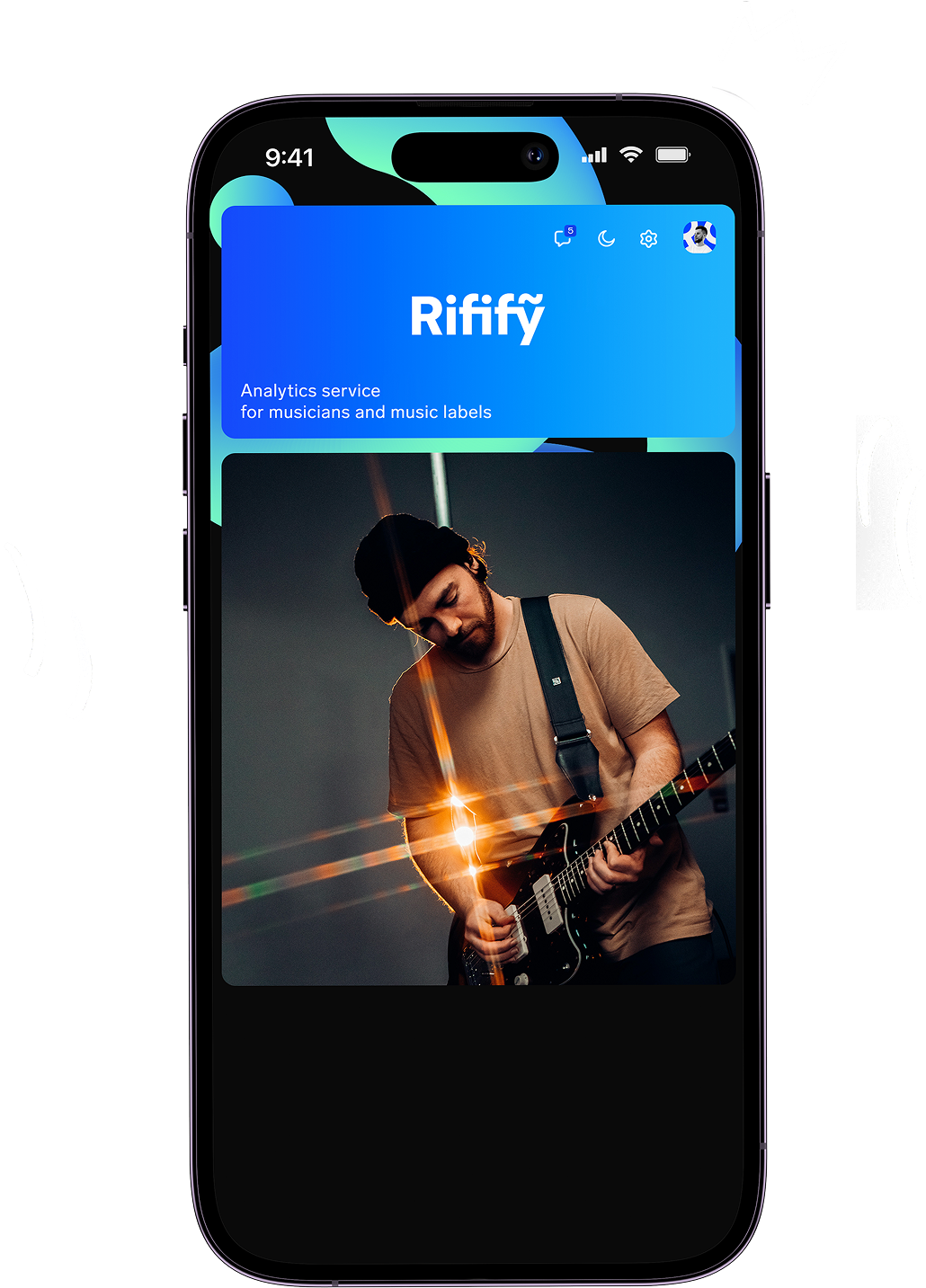
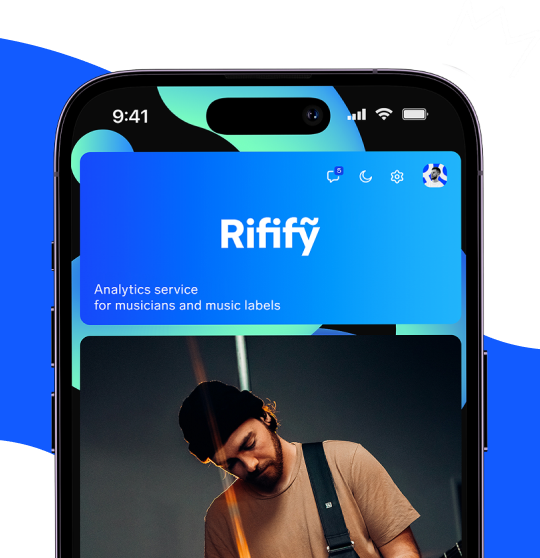
Rifify is an analytics service that brings together data from most music platforms and social networks in one place. It’s especially useful when you need to see the full picture across your catalog rather than looking at one platform at a time.
What Rifify offers:
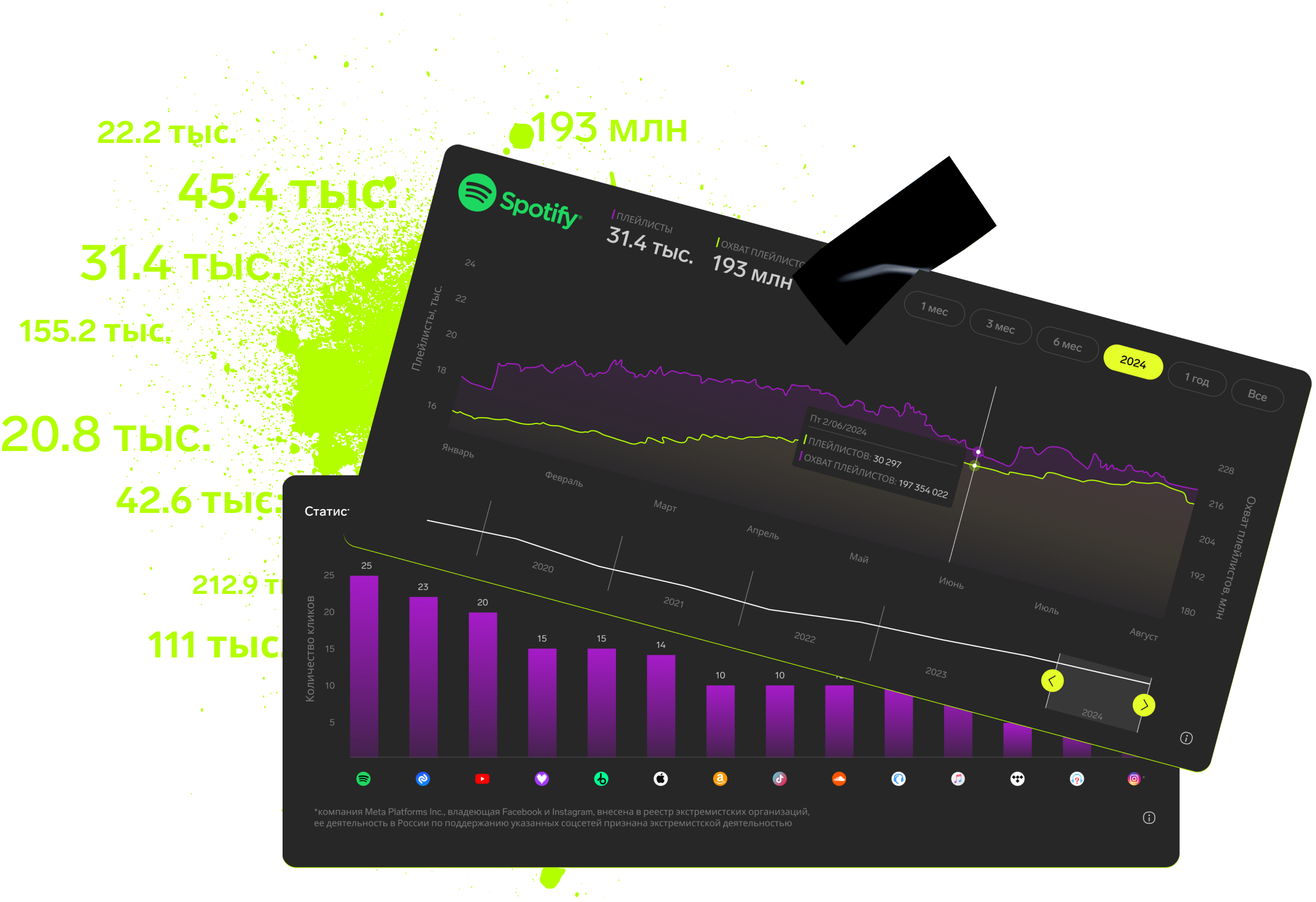
- Cross-platform track analytics. See streams, trends, and traffic sources across all connected platforms.
- Real-time activity feed. Alerts about new streams, playlists, and mentions help you respond quickly to spikes.
- Geography. Country-level data for more precise advertising and content targeting.
- YouTube and social media analytics. Track views for music videos, Shorts, and Reels — where an additional wave of repeat plays often begins.
A simple workflow:
- 1.Connect the artist and catalog in Rifify.
- 2.Take your last 3–5 releases and compare stream dynamics and activity spikes.
- 3.Find tracks where streams hold steady or keep growing after the first week — these are strong candidates for good repeat listening.
- 4.Match those spikes with social media and playlist activity using the notification feed.
- 5.Form hypotheses: which intros, content formats, and platforms generate the most repeat plays.
Rifify doesn’t replace artist dashboards, but it saves time on data collection and gives you a complete view across all platforms.
What to Do If Listeners Aren’t Returning
- Strengthen the first 10–15 seconds: a clear hook, vocal, or distinctive sound from the very start.
- Identify an 8–30-second moment for Reels/TikTok/Shorts — usually the chorus or drop.
- Launch the release across three or more channels: social media, playlists, and creators.
- Check the mix and balance: the track should sound good on both a smartphone speaker and a larger speaker.
- Make the packaging clear: title, cover art, and the story behind the track.
- If the track is performing well in a specific region or with a particular audience, direct your ads and content there.
Quick Checklist
- Is there a clear hook in the first 10 seconds?
- Is there a natural short-form video moment?
- Did the release get support from three or more channels?
- Is the share of recommendations growing by day 14?
- What’s the streams-to-listeners ratio: closer to 1 or 2.5+?
- What’s the save rate: above 3–5% or below 1–2%?
- Are you using cross-platform analytics in Rifify?
If most of your answers aren’t in the track’s favor, that’s your improvement plan — from the track’s structure and packaging to its promotion strategy and data work.
Subscription includes

Detailed track analytics
AI assistant
Real-time activity feed
Notifications about new streams, playlists and mentions
Automatically imported catalog
Pricing
Choose the right option and find out the final price
Maximum number of artists
Subscription duration
Total
$
Monthly cost per artist
$
By clicking the «Proceed to payment» button, you agree to the Privacy Policy
Couldn’t find the right option?