How to Create a 30-Day Release Promotion Calendar
8 Oct 2026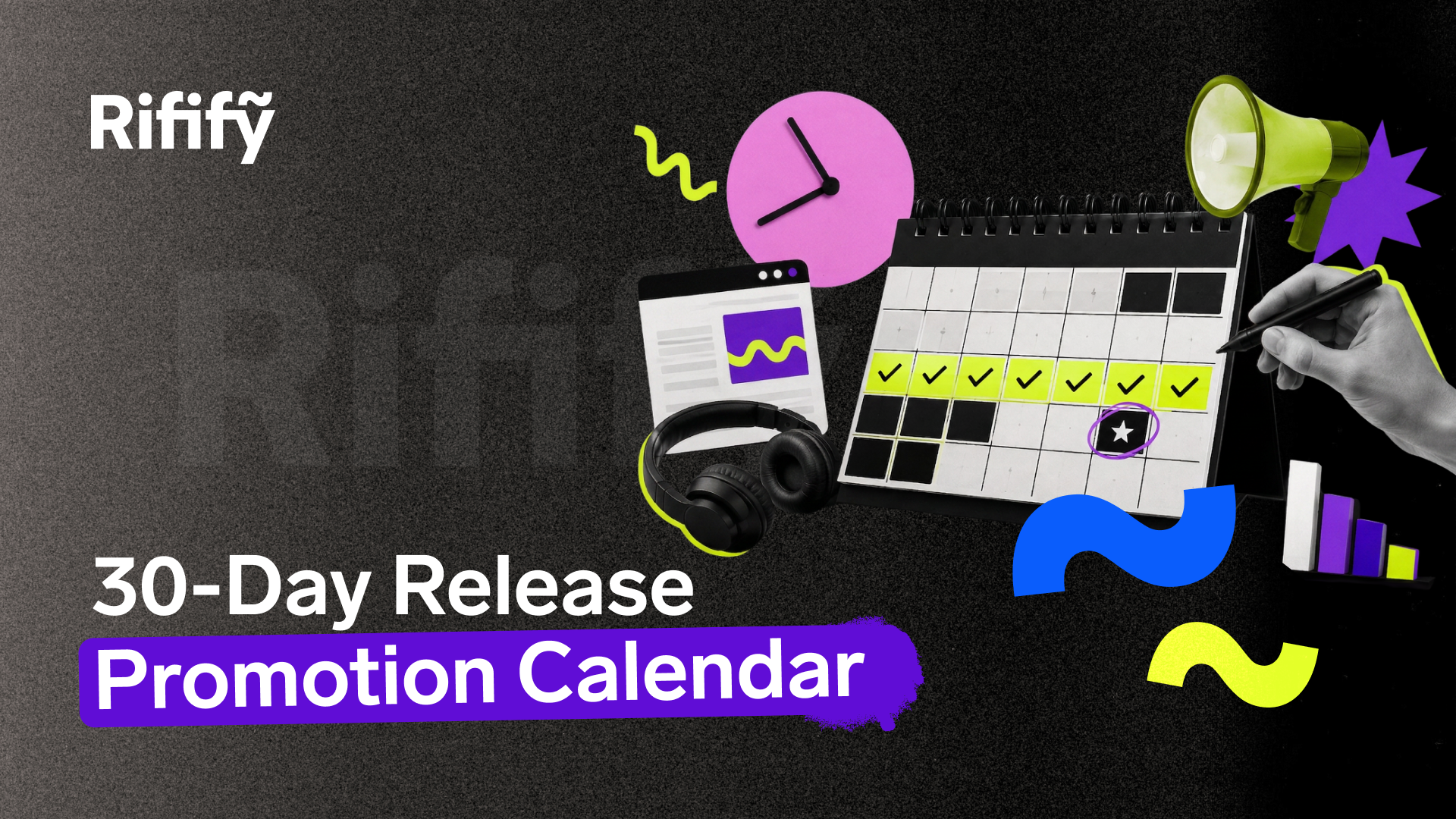
If you think the hardest part is over once you’ve released your track, think again. Release day is the starting line. The first 30 days after your premiere determine whether your song gains momentum or disappears without a trace into the digital ocean.
Most artists make the same mistake: they relax after release and stop promoting. Streaming algorithms and audience attention require consistency. This calendar is your month-long action plan for turning a premiere into an ongoing event.
Week 1: Launch and the First Wave (Days 1–7)
The first 72 hours are a critical threshold. This is when you lay the groundwork for algorithmic playlists and generate initial audience interest.
Day 1: Release Day
Make sure the track is actually live on all platforms. Don’t rely entirely on your distributor’s autopilot. Publish an announcement across all your social media channels, send an email newsletter with direct links, and reach out to collaborators for cross-promotion. A personalized message to everyone who pre-saved the track will pay off in loyalty.
Days 2–3
Collect feedback. Repost fan reactions and share behind-the-scenes content about how the track was made. Reply to every comment and message. Check your initial stats in Rifify: saves, playlist adds, and listener geography.
Days 4–7
Keep the launch momentum going. Publish at least one promotional piece of content every day. Use different formats: a lyric snippet, a video telling the story behind the track, or fan reactions. Analyze your save rate: if it’s above 10%, the song is resonating with your audience.
Week 2: Analytics and the First Adjustment (Days 8–14)
By the second week, you’ll already have enough data to work with. It’s time to adapt your strategy to the situation.
Days 8–10
Assess the results. If the save rate is high and you’re seeing organic growth, increase your efforts. Consider paid promotion, such as TikTok ads. If the numbers are weak, test different ways of presenting the track: promote another section of the song or change the tone of your social media posts.
Days 11–14
Create content for the second wave. Record an acoustic version, a remix snippet, or a short video for TikTok or Reels. Submit the track to independent playlist curators through platforms such as SubmitHub or Groover. If you have an audience of at least 5,000 listeners, this is a good time to explore paid streaming tools for reaching a relevant audience.
Week 3: Working with Algorithms (Days 15–21)
At this stage, streaming platforms are deciding whether to place your track in algorithmic rotations.
Days 15–17
If the algorithms have started picking up the track—you’ll see this as growth in the “Traffic Sources” section—the most important thing is not to disrupt the momentum. Keep publishing content, but avoid distracting your audience with posts unrelated to the release.
Days 18–21
If there’s no sign of algorithmic pickup, switch to channels you can control completely: newsletters, chats, and direct communication. Launch an interactive campaign: ask fans to create a duet using your track or take part in a challenge featuring your sound. This sends algorithms a signal that the content is in demand.
Week 4: Turning Momentum into a Long-Term Strategy (Days 22–30)
The final week is the time to review the results and decide what comes next.
Days 22–28
Conduct an in-depth analysis of your data in Rifify. Compare your Day 1 and Day 28 performance. Which traffic sources worked best? Which content format generated the strongest response?
Days 29–30
Make a strategic decision: should you keep the song in active rotation or shift your focus to the next release? If the track is showing steady growth, continue supporting it with Stories and occasional reminders. If its growth has stalled, draw your conclusions and document them for the next campaign.
Checklist: What Not to Do After Release
- Don’t stop promoting the track after one week. In today’s environment, a hit can take off a month after release thanks to a viral video.
- Don’t ignore the data. If your save rate is below 3%, the problem may not be your advertising budget but how listeners perceive the song. Change the way you present it.
- Don’t forget about pitching. Submissions to editorial playlist teams are usually made well before release. If you missed that stage, use this opportunity to submit the track to independent playlists now.
- Don’t publish the same post over and over again. Break the release story into multiple micro-stories: the lyrics, a studio session, a fan reaction, a meme. Work with different content formats.
Conclusion
The 30 days after a release are a strategic marathon. Treat them as an extension of the creative process. Promotion doesn’t end when you press the “Publish” button—it ends when you decide you’ve done everything possible for the track.
Use this calendar as a foundation, adapt it to your genre and audience, and the results won’t be far behind.
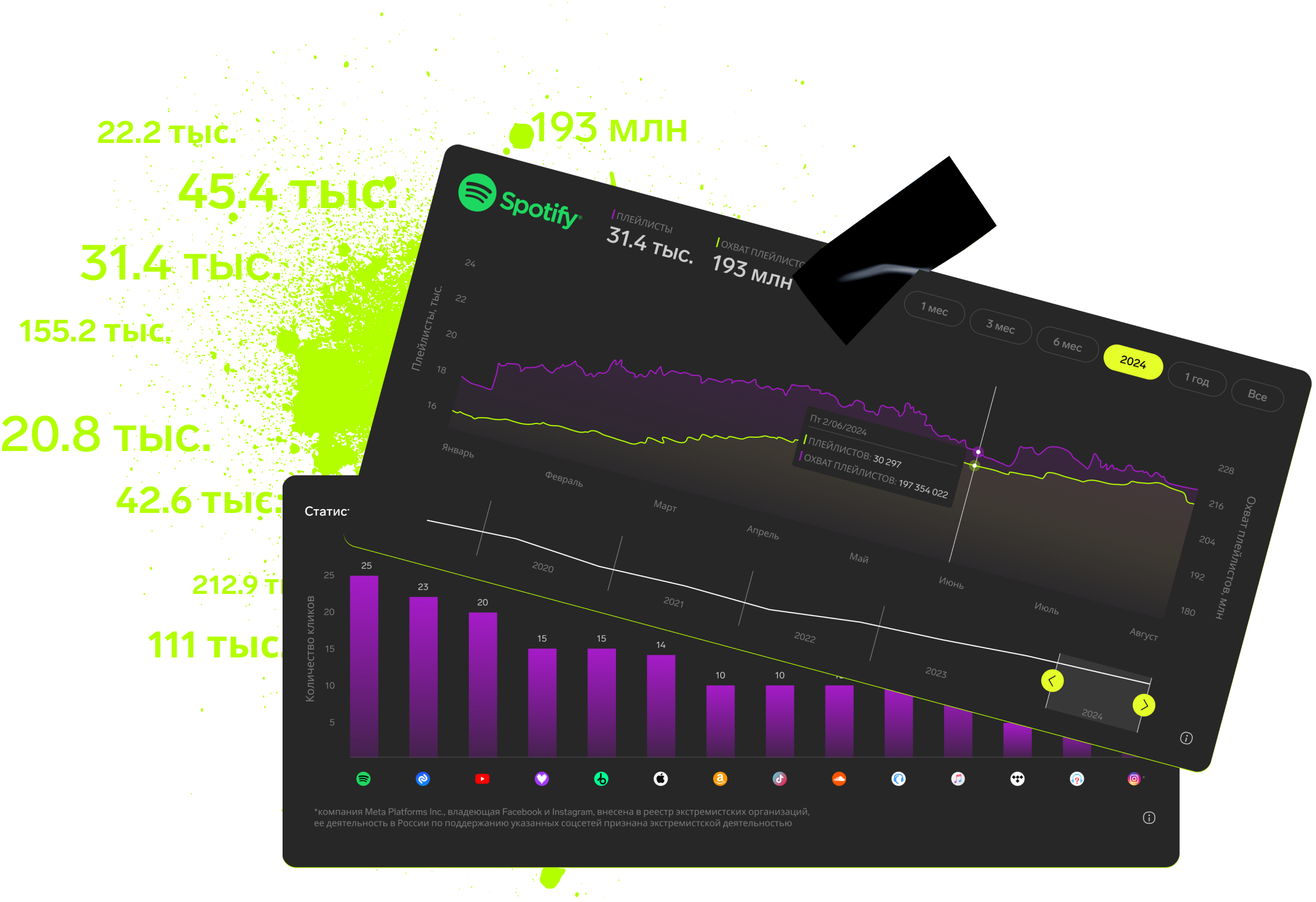
Subscription includes

Detailed track analytics
AI assistant
Real-time activity feed
Notifications about new streams, playlists and mentions
Automatically imported catalog
Pricing
Choose the right option and find out the final price
Maximum number of artists
Subscription duration
Total
$
Monthly cost per artist
$
By clicking the «Proceed to payment» button, you agree to the Privacy Policy
Couldn’t find the right option?