5 Common Release Mistakes — and How to Avoid Them
15 Jul 2026
A release is where music, marketing, packaging, timing, and audience work meet. It’s also the stage where many artists and teams lose impact: the track can be excellent, but the launch weak. The good news is most mistakes repeat from release to release — so you can prevent them in advance.
Why a release often “doesn’t take off”
In many cases the problem isn’t the music itself but the preparation. An artist may invest in recording, mixing, and cover art, but forget the release strategy, promo materials, and analytics. As a result, the release goes out “into the void”: not enough touches, no clear reason for the audience to notice, and no data to build on.
If you treat a release like a marketing project, it becomes simpler: it needs a goal, a plan, defined roles, deadlines, and a buffer for mistakes. Without that, things fall apart, people get confused, and reach is lost. That’s why it helps to review typical mistakes in advance and build a process so each release is stronger than the last.
Mistake 1. Starting preparation too late
One of the most common errors is leaving everything until the last days. It seems enough to upload the track to the distributor, make a cover, and write a couple of posts. In reality a release needs warming up: announcements, teasers, videos, presaves, prepared visuals, and coordinated publish times.
If you start at the last minute, the team scrambles and the audience doesn’t have time to notice the release. A good release is built in advance: idea and positioning first, then the content plan, then the warm-up, and only after that the release date. This approach reduces chaos and turns the release date into a real news hook.
How to avoid it
- Plan the release several weeks ahead.
- Fix the release date, roles, and material list right away.
- Prepare a content pack in advance: covers, texts, short announcement versions, links, visuals.
- Leave time for revisions and unexpected delays.
Mistake 2. Betting only on the track
Many people assume a good song will carry itself. But today a release is also the story around it. The audience connects more when they understand what’s behind the track: an emotion, a personal story, a conflict, an idea, or a new stage in the artist’s career.
Without a clear meaning, a release is harder to promote. Content without context gets lost among other posts. So define what makes this release different from previous ones and why people should listen now.
How to avoid it
- Define one main idea for the release.
- Think of a narrative you can build around it.
- Use not only announcements but short stories, quotes, studio snippets, and the artist’s comments.
- Translate the music into language the audience understands.
Mistake 3. Ignoring analytics
Another mistake is launching releases “by feeling.” Without analyzing past releases, it’s hard to know what really works: which announcement format drives the most clicks, which day the audience is most active, which platforms bring listeners versus just noise. Without numbers, the team repeats the same errors.
Analytics aren’t only for big artists. Even small projects benefit from checking how the audience reacts to different covers, texts, timing, and channels. Without it, releases become a lottery instead of a controlled process.
How to avoid it
- Compare results from past releases.
- Track traffic sources, saves, clicks, and engagement.
- See which content formats convert best to streams.
- Use analytics during planning, not only after the fact.
Rifify can help here: the service makes it easy to view releases through data — from audience reaction to promotion dynamics and growth points. When analytics are built into the process, decisions are faster and more accurate.
Mistake 4. Mixing up roles and not controlling the process
Often a release rests on one person who writes texts, approves visuals, handles uploads, and manages promotion. Inevitably something falls through. Sometimes the issue is simpler: the team has different ideas about what must be ready by the release date.
Without a shared plan it’s easy to miss details: the wrong audio file, the wrong cover version, an unproofread text, or a missed deadline. These aren’t small things — they affect how professional the release looks and how it’s perceived.
How to avoid it
- Assign clear owners for each step.
- Use a single shared release checklist.
- Track task status visibly, not “in someone’s head.”
- Leave time for a final check before publishing.
Mistake 5. Skipping the post-release review
Many teams breathe a sigh of relief and move on right after the release. But the most useful work starts after the release: analyzing what worked and what didn’t. If you don’t review results, the next release will be launched blind.
Look not only at streams but at audience behavior: where was the best response, which post drove the most clicks, when interest peaked, what worked in the announcements and what didn’t. This review improves marketing and the artist’s overall packaging.
How to avoid it
- Do a short post-release debrief.
- Record successful and weak decisions.
- Compare expectations with actual results.
- Carry lessons into the next release, don’t leave them in notes.
Building a repeatable release system
The best approach is to treat releases as repeatable processes, not one-off events. That gives you a system: planning, preparation, launch, analytics, and refinement. This is vital for artists who want steady growth in reach and engagement.
Keep one working release script with deadlines, required materials, and control points. Add analytics (for example, Rifify) and each release becomes more precise: you’ll see not just the result, but the path to it.
Most release problems aren’t about the music but about preparation, task distribution, and lack of analysis. Remove these five common mistakes early — late starts, weak packaging, ignoring analytics, role confusion, and skipping post-release reviews — and your releases will perform noticeably better.
A good release isn’t luck; it’s a clear system. The sooner you put that system in place, the easier it is for an artist to grow from release to release.
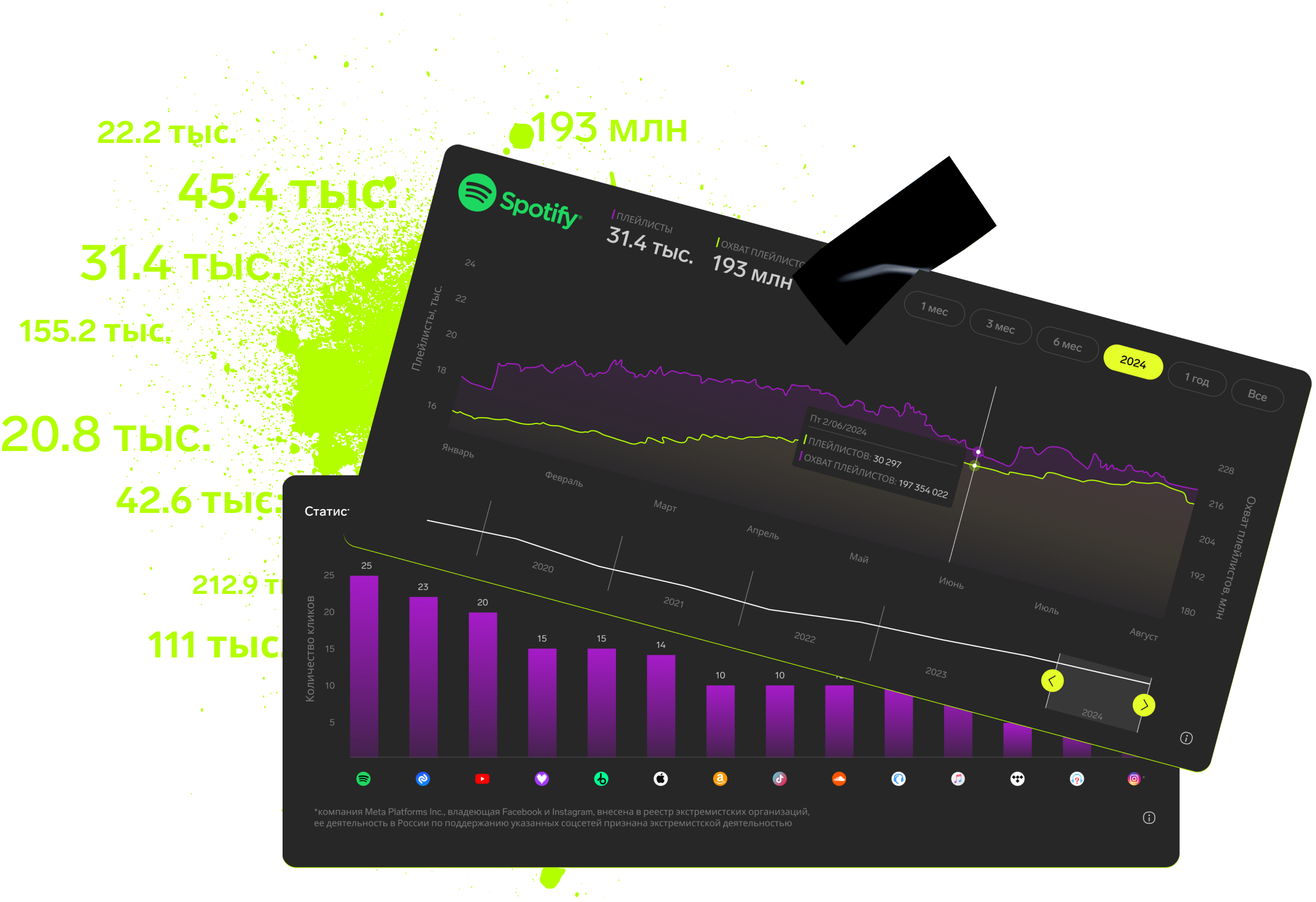
Subscription includes

Detailed track analytics
AI assistant
Real-time activity feed
Notifications about new streams, playlists and mentions
Automatically imported catalog
Pricing
Choose the right option and find out the final price
Maximum number of artists
Subscription duration
Total
$
Monthly cost per artist
$
By clicking the «Proceed to payment» button, you agree to the Privacy Policy
Couldn’t find the right option?